This article provides an in-depth analysis of the definition, operating principles, and applications of bioreactors, while also exploring the future development prospects within related fields.
I. Definition and Principles of Bioreactors
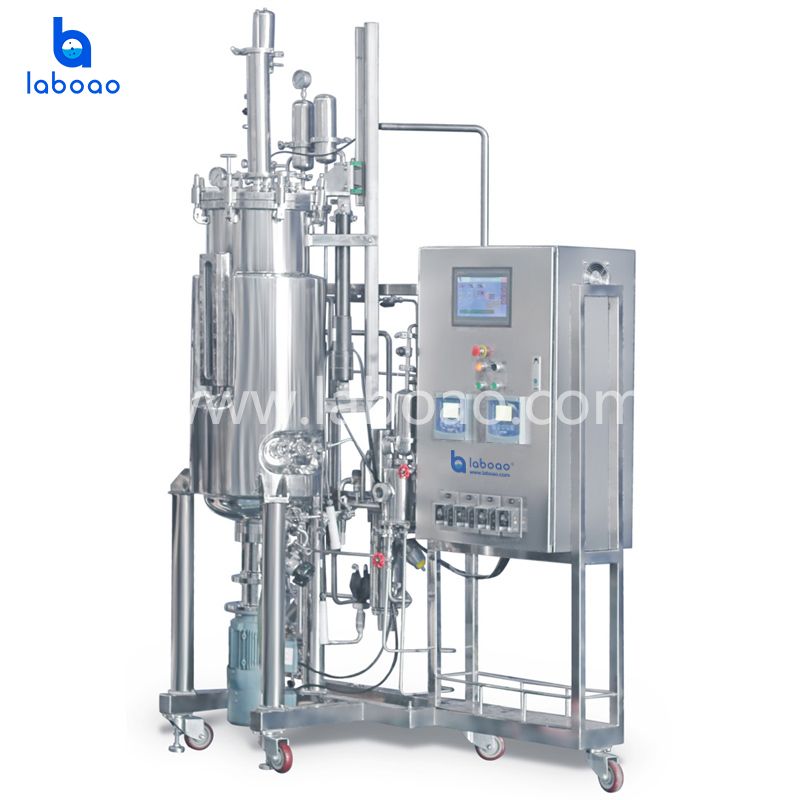
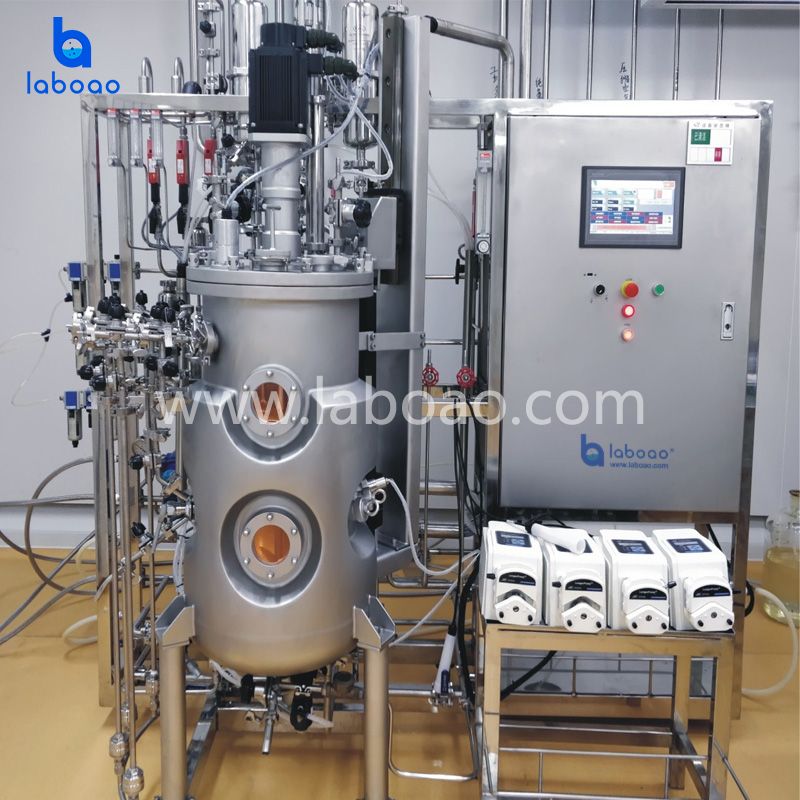
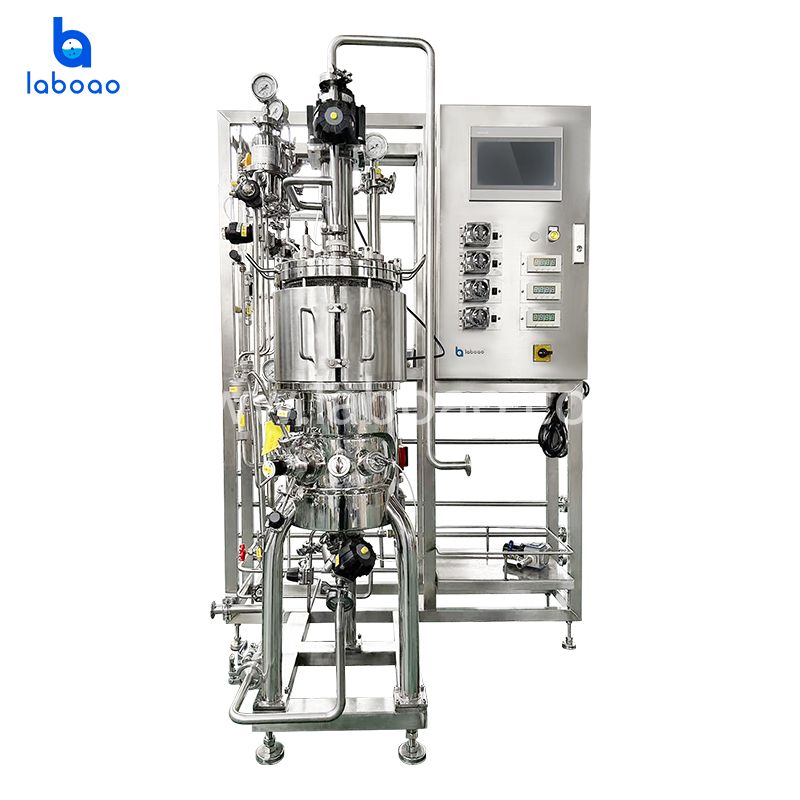
A bioreactor is a device designed to contain and control biological reaction processes; by providing suitable environmental conditions, it facilitates the growth, metabolism, and product synthesis of biological organisms. Internally, it typically features mechanisms for controlling parameters such as temperature, pH levels, and oxygen concentration, and is further equipped with auxiliary components such as stirrers or gas supply systems. The operating principle of a bioreactor is predicated on the sensitivity of biological organisms to their environmental conditions. Organisms require specific temperatures, appropriate pH levels, and oxygen to sustain their normal growth and metabolic activities. By precisely controlling these parameters within the bioreactor, it becomes possible to regulate the metabolic processes of the organisms, thereby enabling the production of desired products or the execution of specific biological experiments.
II. Application Fields of Bioreactors
1. Biopharmaceuticals:
Through the optimization of organism cultivation processes, bioreactors enable the large-scale production of biopharmaceuticals—such as therapeutic proteins and antibodies. Bioreactors provide a highly conducive cultivation environment, ensuring both high-density cell culture and the high purity of the resulting products.
2. Environmental Engineering:
By utilizing microorganisms within bioreactors to degrade organic wastewater or treat solid waste, environmental purification and resource recovery can be effectively achieved. Bioreactors allow for the precise control of microbial growth rates and metabolic pathways, thereby enhancing the efficiency and efficacy of waste treatment processes.
3. Biofuels:
Through the cultivation and regulation of microorganisms, bioreactors facilitate the efficient conversion of biomass energy and the production of biofuels. They provide a stable cultivation environment, optimizing the rate and volume of gas production by microorganisms, and thus offering a reliable technical foundation for the development and utilization of bioenergy.
III. Future Prospects for Bioreactors
As biotechnology continues to advance, the application prospects for bioreactors across a multitude of fields remain vast and promising. For instance, in the biomedical field, bioreactors hold the promise of providing crucial technical support for personalized medicine and regenerative medicine; in the realm of environmental protection, bioreactors will continue to play a vital role in addressing complex environmental challenges, such as wastewater treatment and solid waste disposal; furthermore, bioreactors also possess broad prospects for application in fields such as food engineering and agriculture.
In summary, as a pivotal biotechnological tool, bioreactors play a significant role across various sectors, including biopharmaceuticals, environmental engineering, and biofuels. By regulating the cultivation environment for biological organisms, bioreactors enable the control and optimization of biological processes, thereby generating immense benefits for human life and industrial production.