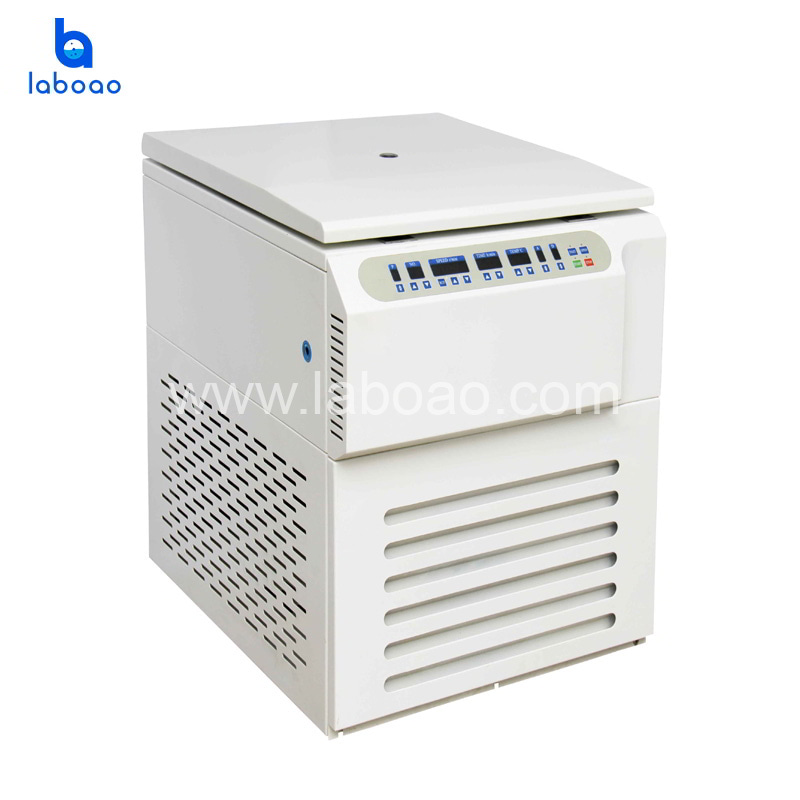
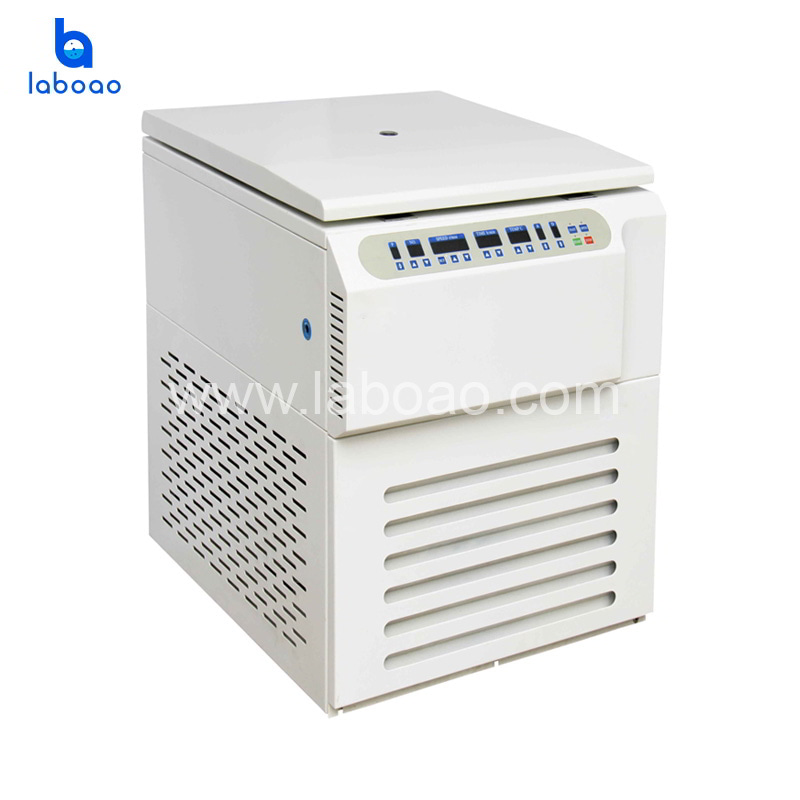
The drive system constitutes the core of a benchtop centrifuge; any malfunction in its components—including the high-speed motor, transmission gears, rolling bearings, or sliding bearings—will compromise the instrument's normal operation. Primary anomalies associated with the benchtop centrifuge's drive system include: the emission of abnormal noises; bearing burnout; and the fracture of the high-speed rotating shaft. Other issues may involve slow acceleration, excessive vibration, or a failure to reach the rated maximum speed. Furthermore, if the motor operates at high speeds for extended periods, the bearing lubricant may dry out, leading to abnormal noises, vibrations, and speed instability.
When a benchtop centrifuge operates at high speeds for prolonged durations, the carbon brushes may wear down and shorten, and the pressure springs may loosen, thereby reducing the contact pressure of the brushes. This increases the electrical resistance between the carbon brushes and the commutator, and carbon dust contamination may occur—all of which can lead to sparking. Such sparking can simultaneously burn out the commutator and produce a distinct "crackling" discharge sound, thereby disrupting the motor's normal functioning. Additionally, short circuits, open circuits, or insulation damage within the high-speed motor will cause the motor to overheat and prevent it from starting.
Should any of the aforementioned anomalies occur, the benchtop centrifuge must be immediately shut down and serviced.
Routine laboratory maintenance for a benchtop centrifuge primarily focuses on preventing contamination of the centrifuge chamber, as well as guarding against dust accumulation and oil contamination. Before and after every experiment, use a clean, soft cloth to wipe down the centrifuge chamber—removing any grease, condensation, or spilled samples—as well as the instrument's exterior surface. When the centrifuge is not in use, avoid opening the lid unnecessarily to prevent internal contamination. The rubber sealing ring on the benchtop centrifuge must maintain its integrity to ensure a proper seal; after a period of use, it should be coated with vacuum sealing grease. If the sealing ring shows signs of aging, cracking, or loss of elasticity, it must be replaced immediately. Ensure that all switches, knobs, and fault indicators on the control panel maintain proper electrical contact. If any anomalies or malfunctions are detected during operation, immediately shut down the instrument and arrange for servicing. Secondly, the various internal systems of the benchtop centrifuge must undergo thorough maintenance and inspection once a year.
Suspicious components of the centrifuge should be examined, and any accumulated dirt and dust within the unit must be cleaned away. If the instrument is to remain unused for an extended period, it should be powered on periodically to activate the oil circulation and refrigeration systems, thereby ensuring that all internal pipelines remain unobstructed.
Furthermore, during prolonged operation, small amounts of moisture may infiltrate the vacuum pump of the benchtop centrifuge, where they mix with the oil. Therefore, during each scheduled maintenance, the drain valve located at the bottom of the vacuum pump must be opened to discharge this accumulated water. Subsequently, a funnel fitted with a vinyl tube should be inserted into the drain port to replenish the vacuum oil, filling it until the oil level reaches the designated mark on the sight glass. If, prior to draining, the existing oil appears excessively dirty or discolored, it should be completely drained and replaced.
After completing the aforementioned maintenance procedures, check the vinyl tube situated beneath the oil sump to ensure it is not filled with oil. If an accumulation of oil is observed, it indicates that the oil mist separator is clogged; in this instance, the top screw of the separator must be unscrewed, the top cover removed, and the filter element replaced. The ability of the centrifuge to achieve and maintain the required vacuum level within the chamber depends not only on the functionality and condition of the vacuum pump itself but also on the integrity of the sealing components—specifically the door gasket, shaft seals, and internal piping connections. Should any leaks be detected—particularly in less conspicuous areas or at connection points—immediate repairs must be undertaken.