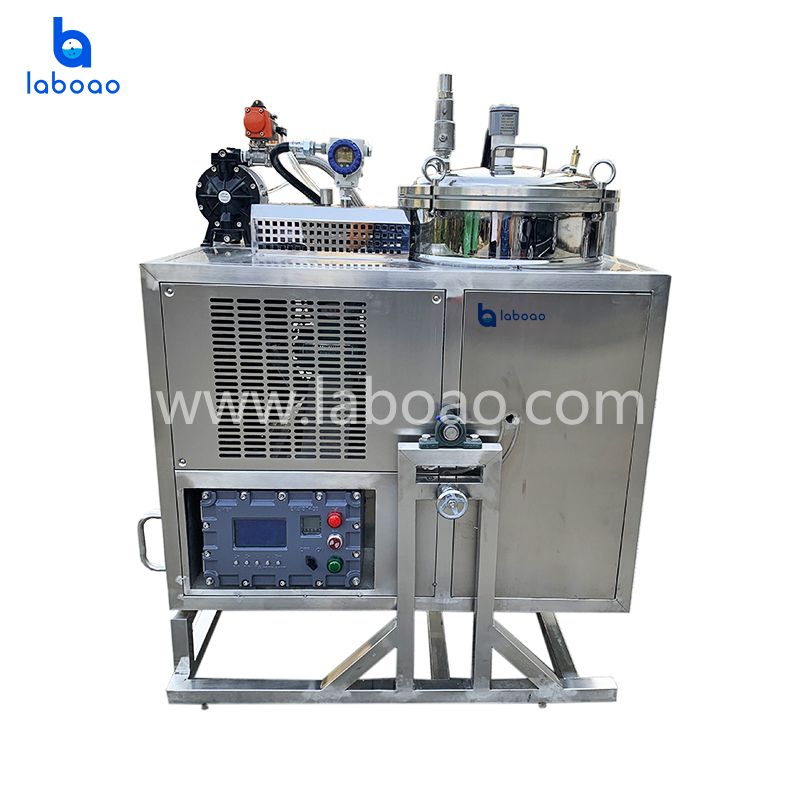
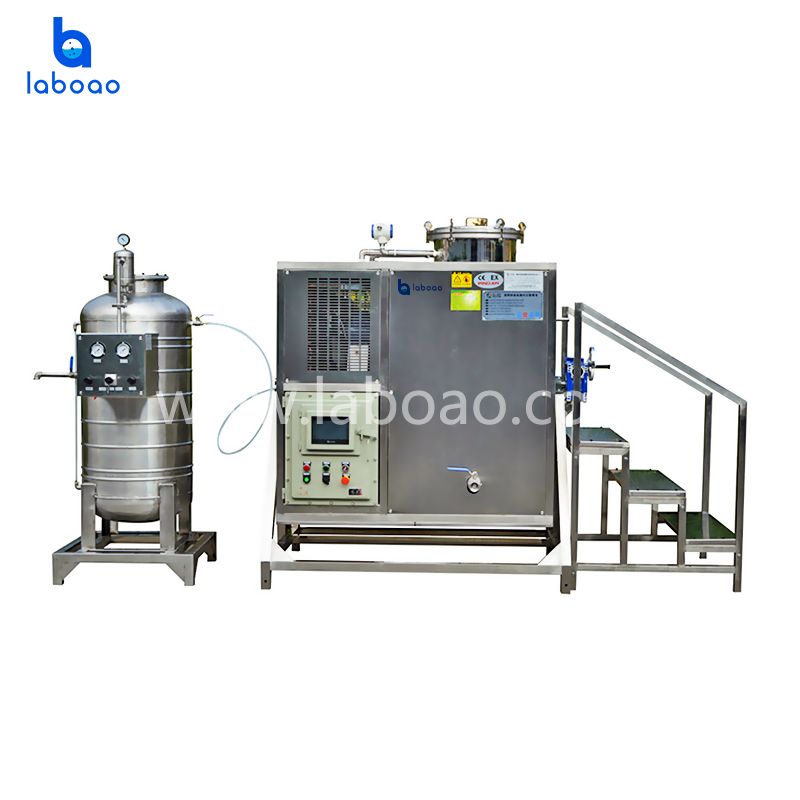
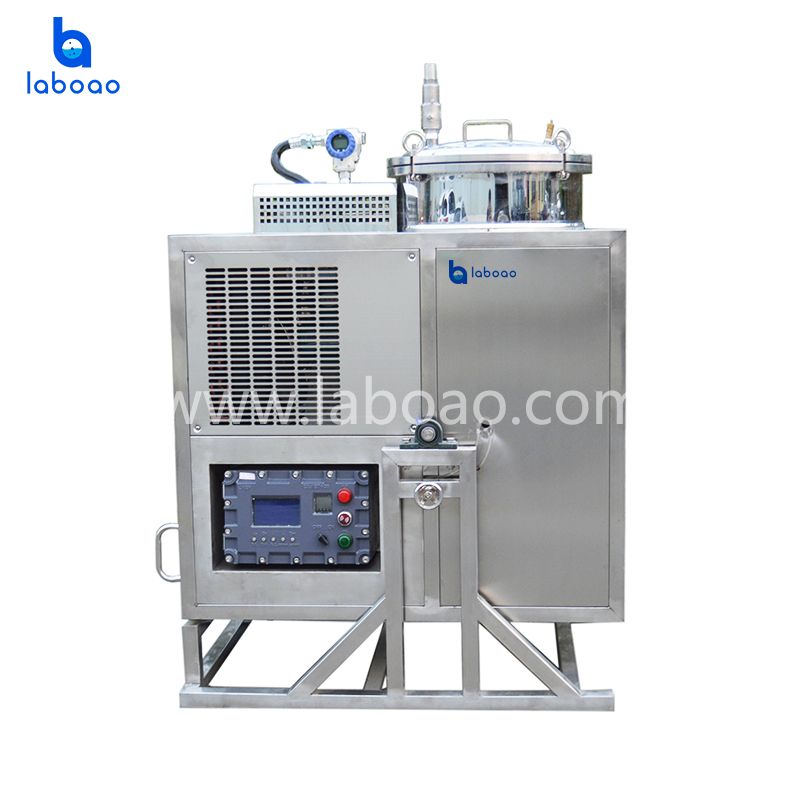
In the production processes of the chemical, printing, coating, and electronics industries, organic solvents (such as acetone, ethyl acetate, toluene, xylene, etc.) are extensively used as cleaning agents or diluents, resulting in the generation of large quantities of waste solvents. Discharging these waste solvents directly not only wastes resources but also causes severe environmental pollution. Solvent recovery machines serve as the core equipment for regenerating such waste; by leveraging established distillation and separation principles, they enable the purification, recovery, and recycling of waste solvents.
I. Core Working Principle: Distillation, Condensation, and Physical Separation
The core principle of a solvent recovery machine is distillation-based separation. By exploiting the differences in boiling points between organic solvents and their impurities (such as solid residues, moisture, and high-boiling-point contaminants), the machine employs three physical processes—heating/evaporation, condensation/liquefaction, and purification/separation—to isolate and refine the useful components of the waste solvent. This yields clean, reusable organic solvents without the need for chemical additives, ensuring a safe and environmentally friendly process.
1. Heating and Evaporation: Phase Transition from Liquid to Gas (The Basis for Separation)
The waste solvent to be processed is fed into the machine’s sealed heating chamber. (For instance, equipment from LABOAO utilizes a dual-layer 304/316 stainless steel structure with a thermal oil jacket, ensuring uniform heating and enhanced safety.) Once the equipment is started, the heating system heats the waste solvent to a preset temperature (adjustable between 50°C and 200°C). Organic solvents with low boiling points vaporize, transitioning from a liquid to a gaseous state. Meanwhile, solid residues and high-boiling-point impurities—such as inks, resins, and heavy metals—remain in either a liquid or solid state within the heating vessel, as their boiling points are significantly higher than those of the organic solvents. This achieves an initial separation.
2. Condensation and Liquefaction: Converting Gas to Liquid—The Key to Purification
The vaporized organic solvent travels through sealed piping into a condenser (available in water-cooled or air-cooled configurations; LABOAO units come standard with a high-efficiency water-cooled condenser). Here, the vapor undergoes heat exchange with the cooling medium (water), causing its temperature to drop sharply. The gaseous solvent condenses back into a clean liquid, which then flows into a dedicated collection container. This process removes over 95% of the impurities from the waste solvent, achieving a recovery rate of up to 98%.
3. Purification, Separation, and Residue Management: Ensuring Purity and Safe Completion
The recovered, purified solvent can be returned directly to the production floor for reuse. Any small amount of residue remaining in the heating vessel can be manually removed once the equipment has cooled to room temperature (LABOAO’s standard models feature an automatic shut-off alert, while fully automated models offer automatic residue discharge for added convenience). For waste solvents with high moisture content, the system can be integrated with dehydration equipment—utilizing molecular sieves or distillation techniques—to further enhance solvent purity and meet the requirements of high-precision manufacturing processes.
II. LABOAO Solvent Recovery Systems: Technical Advantages and Key Features
1. Explosion-Proof Safety Design: Eliminating Potential Hazards
Since most organic solvents are highly flammable and explosive, safety is the primary consideration. LABOAO equipment features a comprehensive explosion-proof design, incorporating explosion-proof motors, electrical control enclosures, and anti-static grounding. It is equipped with a pressure control system, a large 1-inch safety valve, and a dual-temperature control system (utilizing Omron and electronic controllers with a precision of ±1°C). These features effectively mitigate risks such as pipeline blockages, over-temperature, and over-pressure. The equipment has passed national-level explosion-proof certification, ensuring industry-leading safety performance.
2. High Recovery Rate + Low-Temperature Capability: Reducing Costs and Increasing Efficiency
The equipment achieves a stable recovery rate of 95%–98%, restoring waste solvents to the standard of fresh solvents. This significantly lowers procurement costs for new solvents (with client feedback indicating an investment payback period of typically 6–12 months). For heat-sensitive solvents—such as hydrocarbons, ethanol, and isopropanol—LABOAO offers low-temperature distillation models. By employing electric vacuum/pressure-reduction technology, the boiling point of the solvent is lowered by more than half, preventing thermal decomposition and preserving the solvent's integrity, making it suitable for a wider range of specialized solvent recovery applications.
3. Intelligent Automation for Easy Operation
① Batch-type (T-20/T-60/T-125/T-260): Features one-touch startup and automatic shutdown upon completion. Ideal for small-to-medium-scale production, it is simple to operate and requires no dedicated personnel on-site.
② PLC Fully Automatic Type: Equipped with an intelligent control system, this model enables fully automated operations—including automatic feeding, replenishment, discharging, heating, condensation, and residue removal. Designed for 24-hour continuous industrial-scale production, it offers real-time data monitoring and automatic fault alarms, effectively reducing labor costs.
4. All-Stainless Steel Construction: Durable and Easy to Maintain
The main body is constructed from 304, 316, or duplex stainless steel, offering excellent corrosion and aging resistance, making it compatible with a wide variety of corrosive organic solvents. Seals are made from high/low-temperature and solvent-resistant materials, ensuring a long service life. The modular design allows for easy disassembly and straightforward daily maintenance, minimizing equipment downtime. III. Application Value of Solvent Recovery Machines: A Win-Win for the Environment and Profitability
1. Economic Benefits: Significant Reduction in Production Costs
Organic solvents are expensive, leading to high procurement costs. By using a LABOAO solvent recovery machine, waste solvents can be recycled 3–5 times. This reduces the need for purchasing new solvents by over 80% and cuts down on hazardous waste disposal costs—which are typically high, as waste solvents are classified as hazardous waste—thereby substantially lowering operational expenses.
2. Environmental Benefits: Green Production and Regulatory Compliance
Directly discharging waste solvents can contaminate soil and water sources, posing risks to the ecosystem and human health, while also inviting severe penalties from environmental regulatory authorities. Solvent recovery machines utilize physical recovery processes to repurpose waste solvents, minimizing hazardous waste emissions. This helps enterprises meet national environmental emission standards and supports the implementation of green production practices.
3. Safety Benefits: Standardized Handling and Risk Mitigation
LABOAO’s explosion-proof solvent recovery machines are designed and manufactured in strict accordance with explosion-proof standards. They effectively prevent safety incidents involving flammable or explosive solvents, serving as a safer alternative to hazardous disposal methods—such as open-air burning or rudimentary distillation—and safeguarding industrial safety.
IV. Conclusion
Based on the core principles of distillation and condensation, solvent recovery machines achieve the efficient recovery and recycling of waste solvents through physical separation. They serve as essential equipment for industrial enterprises looking to reduce costs, improve efficiency, and transition toward greener operations.